
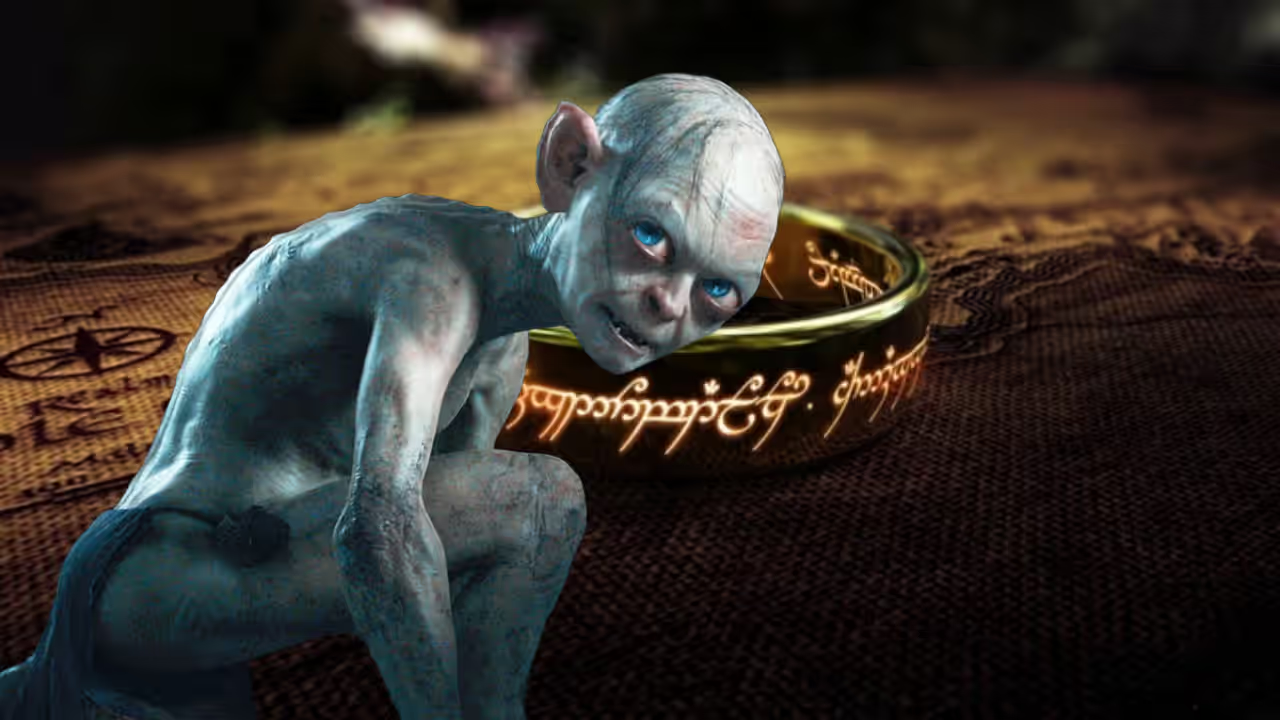
In 'The Lord of the Rings,' Gollum stands as one of the most complex embodiments of the tension between free will and fate. Once known as Sméagol, his life is irrevocably altered by the discovery of the One Ring, an object that seems to impose its own destiny upon those who possess it. Yet, despite the Ring's corrupting influence, Gollum’s story suggests that individual choice still plays a crucial role in shaping one's path.
From the moment Sméagol encounters the Ring, his descent appears almost inevitable. He commits murder to obtain it, marking the beginning of his transformation into Gollum. This moment can be interpreted as fate taking hold—an unavoidable corruption triggered by the Ring's power. However, J. R. R. Tolkien carefully frames this act not as an accident of destiny, but as a choice. Sméagol is not forced to kill; he chooses to. This distinction is critical, as it establishes the presence of free will even within a world where fate exerts a powerful pull.
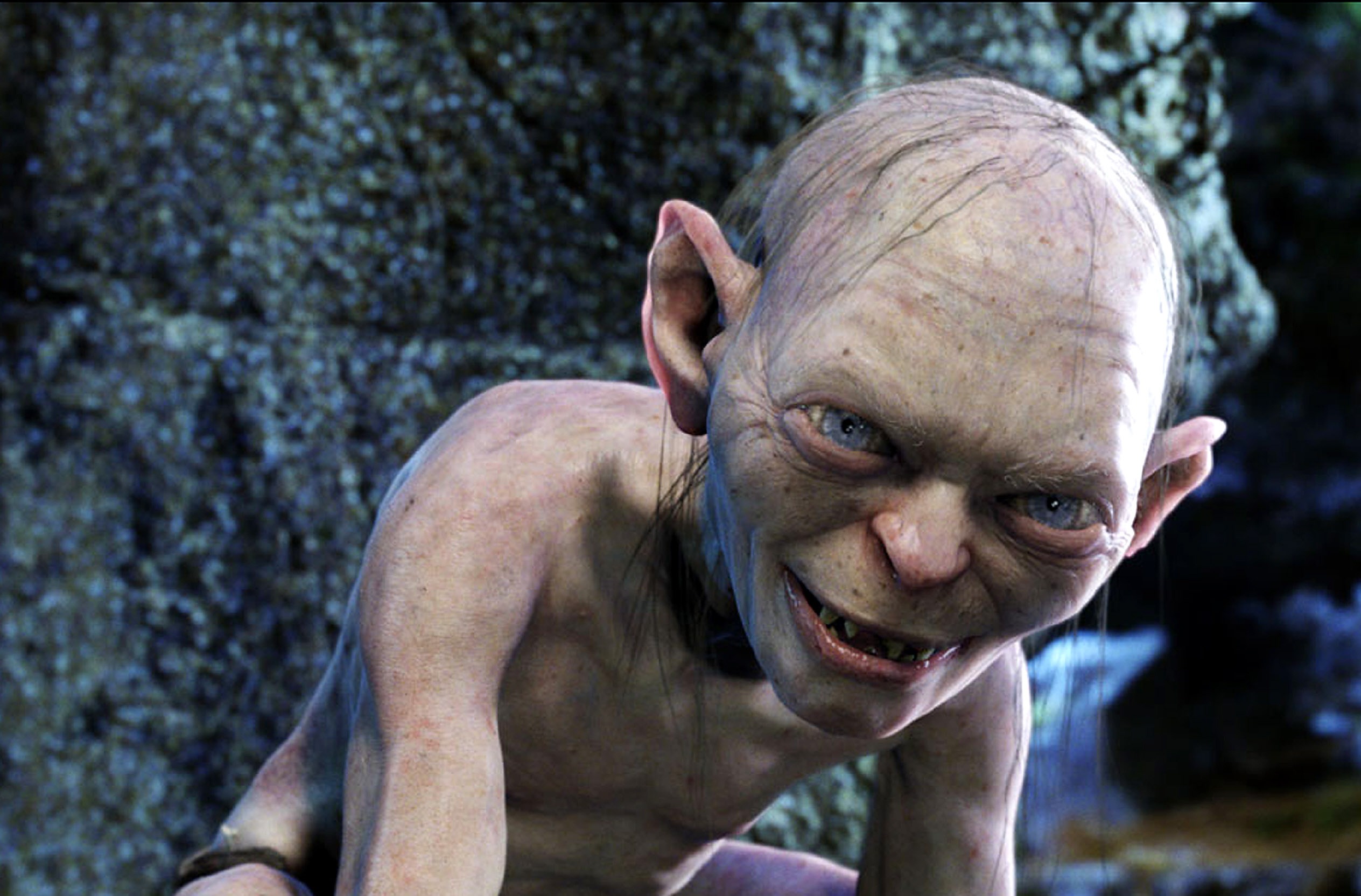
Image Courtesy: IMDb
Gollum's Internal Struggle
Throughout the narrative, Gollum exists in a constant struggle between his lingering humanity as Sméagol and his darker self. This internal conflict highlights the possibility of redemption. Under the influence of Frodo Baggins, Gollum briefly shows signs of repentance and loyalty. These moments suggest that he is not entirely bound by fate; he retains the ability to choose a different path. Yet, each time he comes close to redemption, he ultimately succumbs to his obsession with the Ring. His repeated failures reinforce the idea that while free will exists, it can be overwhelmed by weakness and desire.
Gollum's final act at Mount Doom is perhaps the clearest intersection of fate and choice. In a twist of irony, his obsessive pursuit of the Ring leads to its destruction. Some may argue that this outcome was fated—that Gollum was always destined to play this role. However, his presence at that critical moment is the result of countless decisions, both his own and others.' Fate may guide the broader arc, but it is free will that determines how that fate is fulfilled.
Image Courtesy: IMDb
Ultimately, Gollum represents the delicate balance between destiny and personal responsibility. His story suggests that while external forces may shape circumstances, individuals are never entirely stripped of their agency. In Tolkien's world, fate and free will are not opposing forces but intertwined elements, and Gollum stands as a tragic reminder of what happens when the latter is surrendered to the former.