
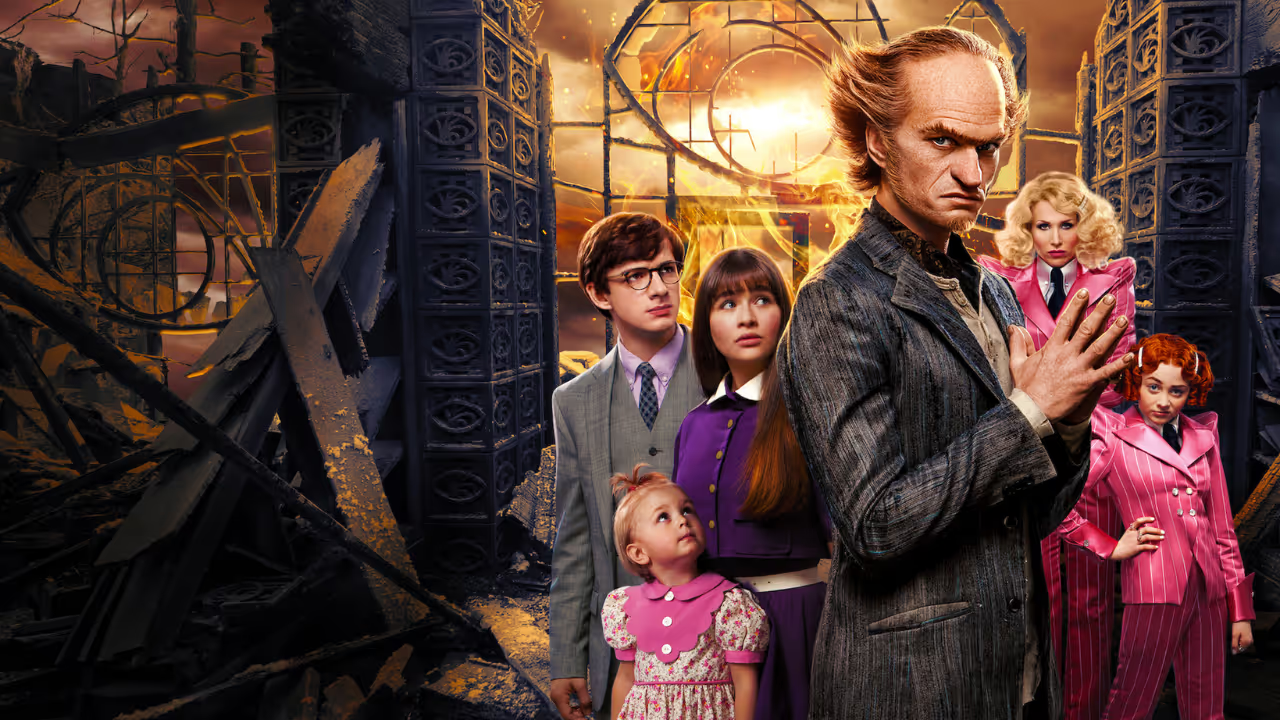
In a world of children's literature often dominated by "happily ever afters" and predictable triumphs, Lemony Snicket's 'A Series of Unfortunate Events' stands out as a dark, gothic anomaly. From the very first page, the narrator warns readers to look away if they want a story with a happy ending. However, beneath the grim layers of misery, arson, and villainy lies one of the most intellectually and emotionally healthy series a child can encounter.
Honesty About the Real World
The most striking health benefit of the series is its radical honesty. Children are often shielded from the reality that life can be unfair, but the Baudelaire orphans—Violet, Klaus, and Sunny—live that reality in every chapter.
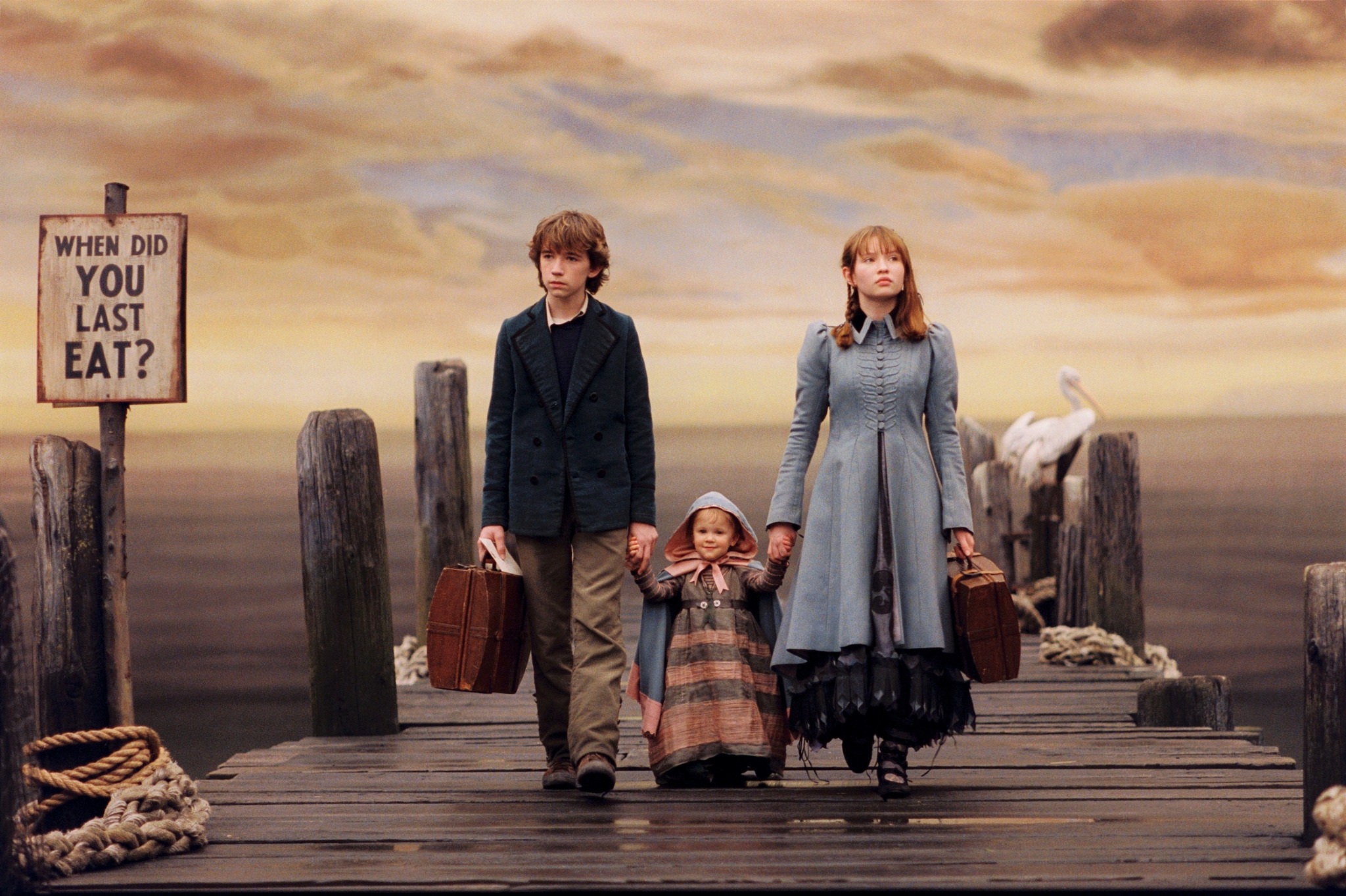
Image Courtesy: IMDb
By presenting a world where adults are often incompetent, disinterested, or outright malevolent, the books validate the feelings of children who have experienced frustration with the adult world. It teaches them that while they cannot always control their circumstances, they can control their response to them.
The Power of Agency and Skill
The Baudelaires are not superheroes; they are children with specific, grounded talents. Violet is an inventor, Klaus is a researcher, and Sunny (initially) is a biter and later a cook. Their survival depends entirely on their ability to use their minds. The series champions the idea that literacy, critical thinking, and creativity are the ultimate tools for navigating a "world of woe." Instead of waiting for a miraculous rescue, the siblings rely on their own agency, proving to young readers that knowledge truly is power.
Emotional Intelligence and Resilience
Psychologically, the series 'A Series of Unfortunate Events' serves as a primer on resilience. The Baudelaires experience profound grief, but they continue to move forward. They support one another, demonstrating a healthy model of sibling loyalty and collective problem-solving. Furthermore, Snicket's constant "definitions" of complex words and social situations—ranging from dénouement to gaslighting—don't just expand a child's vocabulary; they provide the linguistic tools to identify and describe complex emotions and manipulative behaviours.
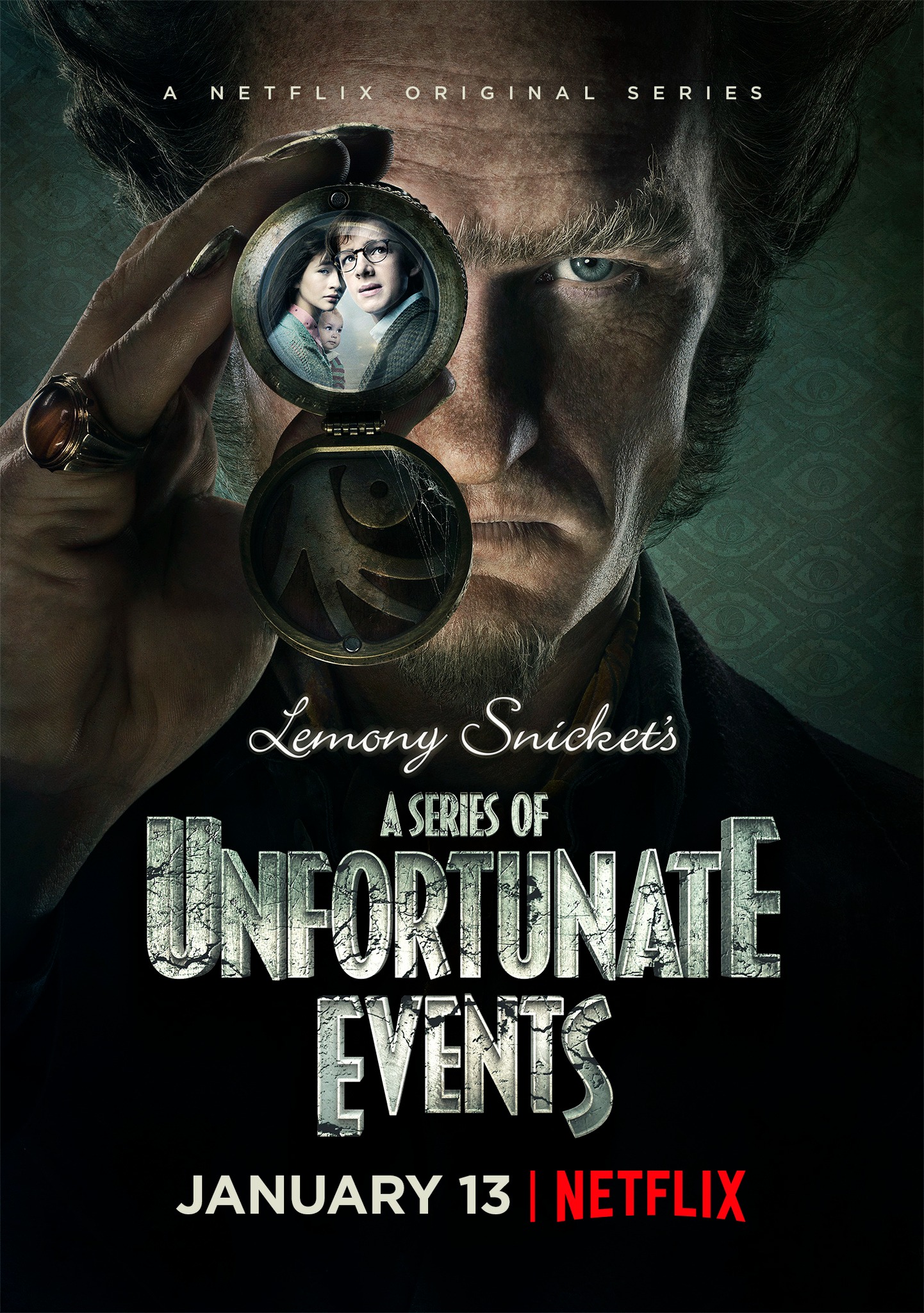
Image Courtesy: IMDb
Moral Complexity
Finally, the series refuses to paint the world in simple black and white. As the story progresses, the line between "Volunteer" and "Villain" blurs, forcing the Baudelaires to make difficult moral choices. By exposing children to these shades of grey, the books foster critical thinking and empathy. It suggests that being a "good person" isn't about being perfect; it's about trying your best to do the right thing in a world that is often very complicated.
Ultimately, 'A Series of Unfortunate Events' doesn't just entertain through gloom; it prepares children for the complexities of life with wit, wisdom, and a reminder that as long as you have a library and a loyal friend, there is always a way through the misfortune.
Also Read: https://indigomusic.com/feature/pirate-movies-costume-that-made-fashion-waves-11154106