
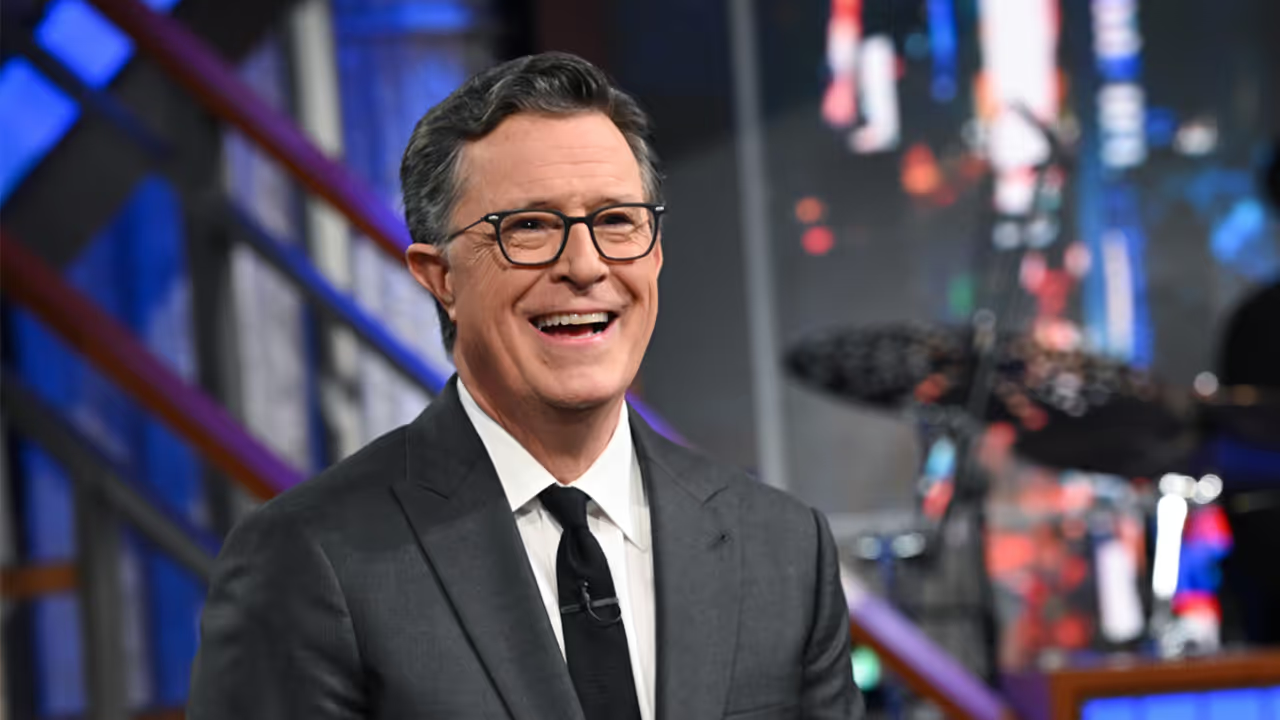
After nearly 1,800 episodes and 11 years behind the desk, Stephen Colbert officially signed off from 'The Late Show' on 21st May, 2026, ending one of the most talked-about eras in modern late-night television. Paul McCartney made an unexpected appearance in the show's finale, which also included musical performances, celebrity cameos, and emotional references to the show's long history at New York’s renowned Ed Sullivan Theater. Colbert decided to keep the last episode mostly "normal," striking a balance between humour, music, and sincere appreciation, despite the ongoing turmoil over CBS' decision to discontinue the show.
CBS Cancellation, Financial Losses, and Questions around the Decision
After 33 years of broadcasting, CBS initially announced on 17th July, 2025, that 'The Late Show with Stephen Colbert' would officially end in May 2026. Colbert's show had been the top late-night show in its time slot for nine seasons running, but the network had mentioned that the decision was "purely financial." The show was reportedly losing about $40 million a year, according to sources, as traditional late-night television continued to struggle with declining advertising revenue and changing viewing habits. Industry-wide late-night ad revenue reportedly dropped from $439 million in 2018 to nearly $220 million by 2024.
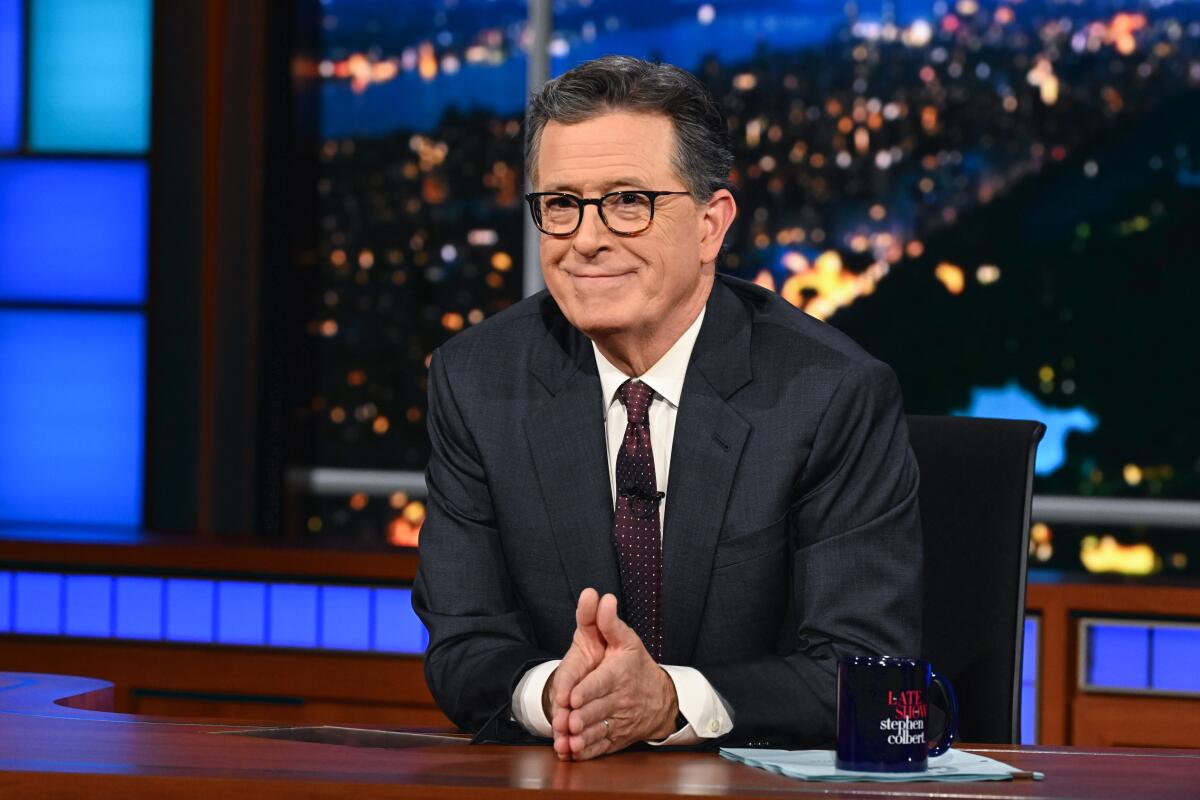
The timing of the cancellation immediately sparked political debate. Colbert had criticized Paramount Global for its reported $16 million deal involving then-President Donald Trump just days prior to the revelation. Politicians, critics, and even Writers Guild members questioned whether the decision was affected by political pressure related to Paramount's multibillion-dollar merger with Skydance Media. Despite CBS' repeated denials of this assertion, the rumours persisted. Senators including Elizabeth Warren and Adam Schiff publicly questioned the network’s motives, while media analysts pointed out that CBS had not attempted major cost-cutting measures before shutting the franchise down completely.
Paul McCartney and Colbert's Emotional Goodbye
The show's end also carried emotional significance for Chicago's comedy world. Prior to becoming well-known, Colbert developed his career in Chicago's renowned Second City comedy scene, which also gave rise to several of his longstanding partners. He frequently employed writers and performers with ties to Chicago's improv scene over the years, which helped establish a conduit between the city and national television. According to reports, after the finale, some of the show's creative operations and next projects might move closer to Chicago, signifying a symbolic return to Colbert's origins.
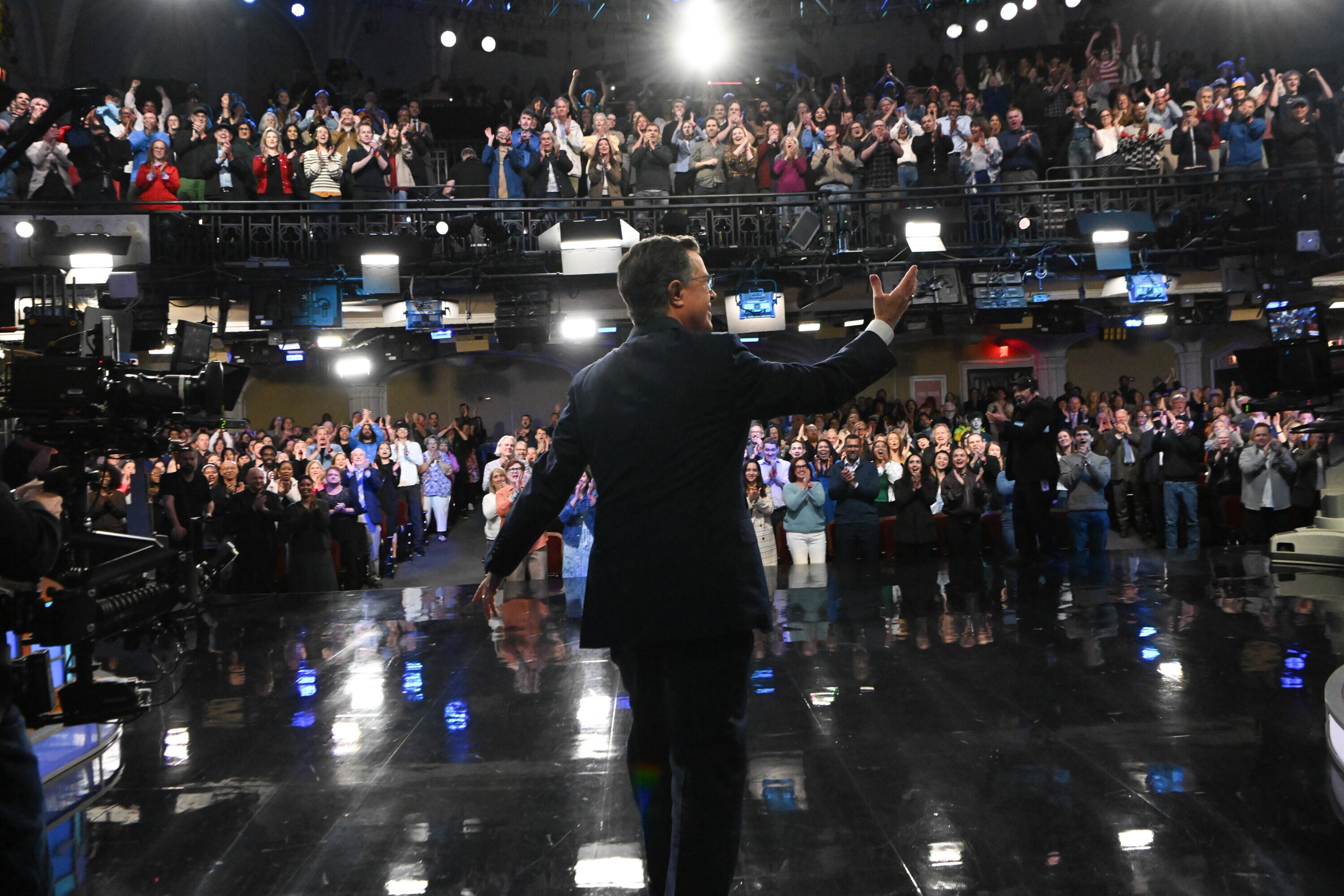
Although the iconic Ed Sullivan Theater in New York, which has been home to Stephen Colbert and David Letterman for decades, cannot be demolished because of its protected status, its future is now uncertain. In a fitting homage to Colbert's longstanding association with the city’s comedy scene, CBS also announced that Colbert's famous Late Show set will be donated to the Museum of Broadcast Communications in Chicago. The future of one of the most renowned places for late-night television is uncertain, though, as there are currently no formal plans for the nearly 100-year-old theater.
Despite the weight surrounding the cancellation, Colbert intentionally avoided turning the finale into a gloomy farewell. Instead, the last episode was filled with jokes, celebrity interruptions, bizarre comedic moments, and music, much like a great episode of 'The Late Show.' In addition to Jon Stewart, Jimmy Fallon, Jimmy Kimmel, Seth Meyers, and John Oliver, actors Paul Rudd and Bryan Cranston competed for the title of Colbert's "last guest" during humorous segments. A bizarre comedy sequence involving a fictional wormhole and astrophysicist Neil deGrasse Tyson added the kind of absurd humour that had become part of Colbert's signature style.
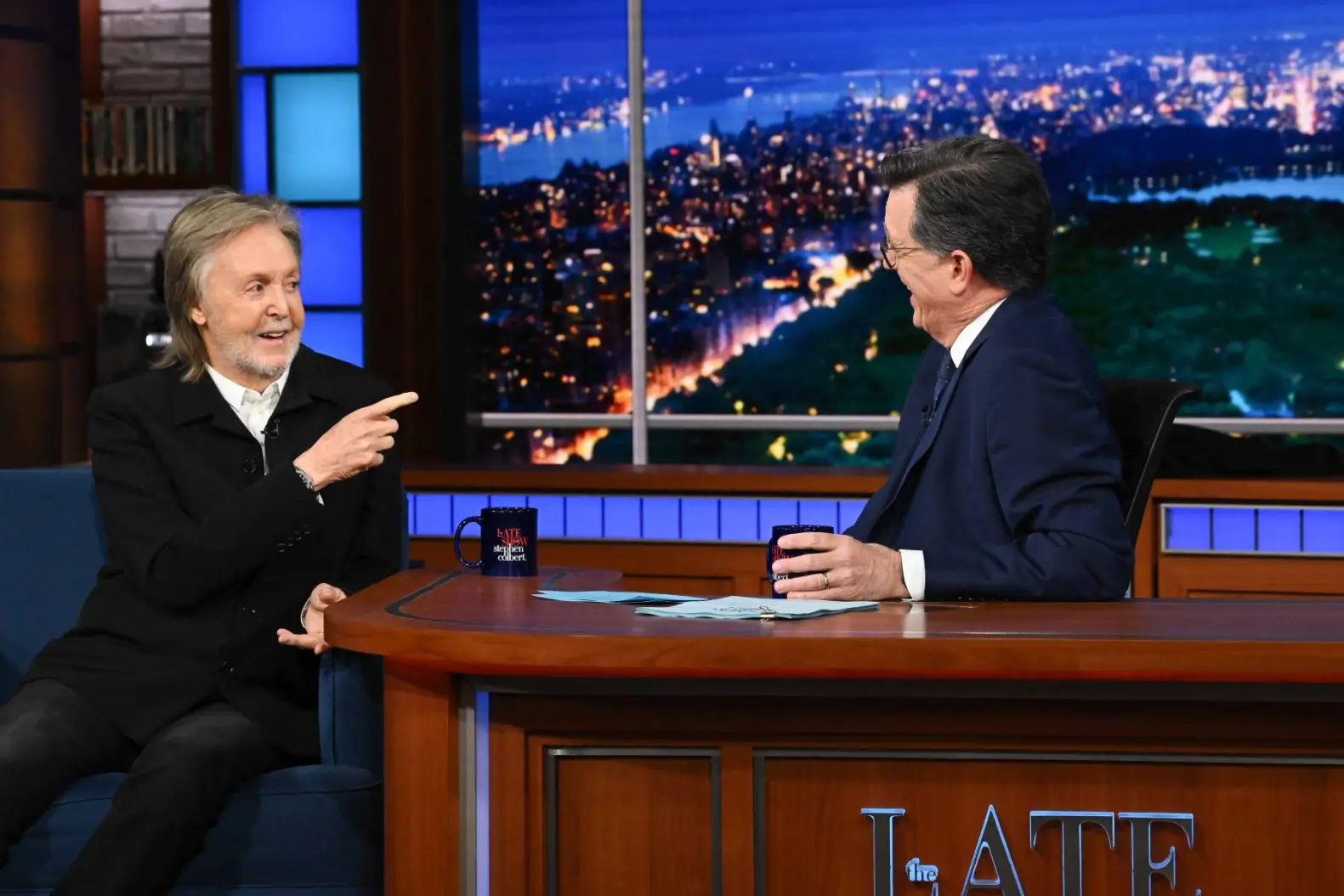
The Beatles' iconic performance at the same location during The Ed Sullivan Show in 1964, which is frequently credited with permanently altering American popular culture, gave the finale great symbolic meaning. McCartney reminisced about those early performances before joining Colbert, Jon Batiste, Elvis Costello, the house band, staff members, and even Colbert's family for a closing performance of 'Hello, Goodbye.'
Stephen Colbert's Legacy in Late-Night Television
When Stephen Colbert took over from David Letterman in September 2015, many viewers wondered whether the politically sharp comedian from The Colbert Report could successfully evolve into a mainstream late-night host. He turned 'The Late Show' into a powerful force over the following 11 years by fusing comedy, cultural criticism, interviews, and emotional storytelling. In addition to addressing international events, entertainment, and social issues with a mix of comedy and earnestness, his monologues frequently took aim at political figures, especially Donald Trump. For most of its tenure, the show was the highest-rated late-night program in America and received numerous Emmy nominations as well as a Peabody Award.
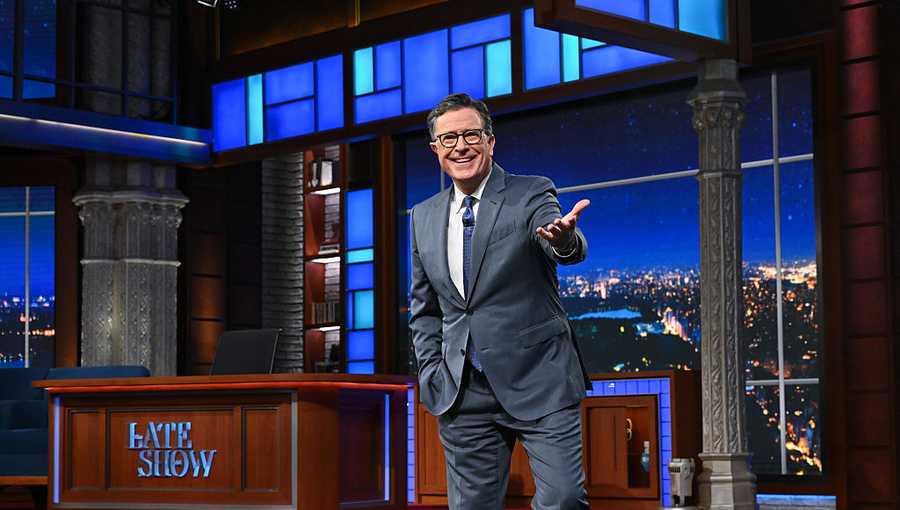
As the curtain finally closed this Thursday, Colbert thanked viewers, his writers, crew members, and audience for staying with him through more than a decade of television history. Rather than delivering an angry final statement about CBS or politics, he chose to leave with music, laughter, and gratitude.
What Happens Next?
Media entrepreneur Byron Allen is officially taking over The Late Show's legendary 11:35 PM time slot, starting this Friday. His media company has leased the time slot from CBS for the comedy panel series "Comics Unleashed." Unlike Colbert's politically driven monologues and current-event satire, Allen's show follows a much lighter format featuring rotating comedians sharing stories and joking with one another. The show purposefully avoids topical political humour since it is meant to be evergreen, allowing episodes to be viewed repeatedly.