
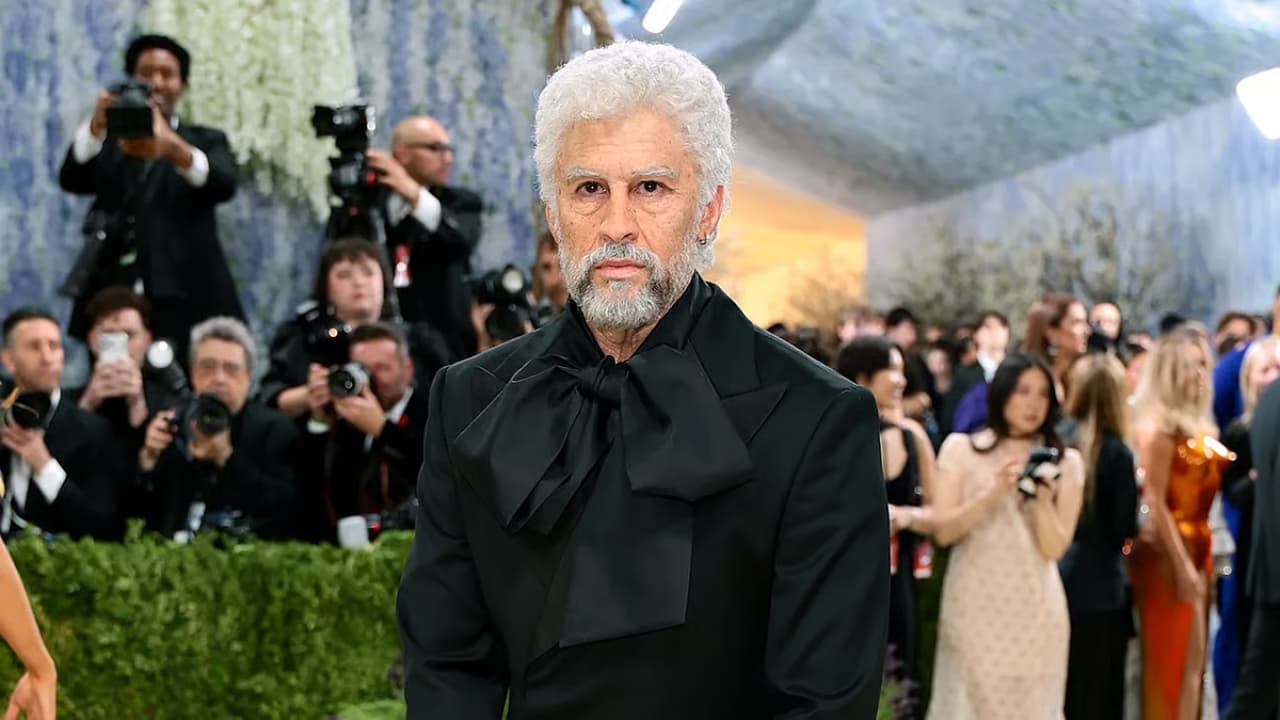
The 2026 Met Gala saw no shortage of bold fashion statements, but Bad Bunny delivered one of the night's most unexpected transformations. Arriving at the Metropolitan Museum of Art, the global music star stunned onlookers by appearing as an aged version of himself, complete with detailed prosthetics and a fully realised character. In a night dedicated to fashion as art, Bad Bunny's look stood out not just for its visual impact but for its conceptual depth.
Blurring the line between style and performance, his transformation turned the red carpet into a storytelling platform reinforcing his reputation for pushing creative boundaries with every appearance.
A Striking Old-Age Transformation
The dramatic transformation immediately captured attention, aligning perfectly with the gala's theme, which explored fashion as a form of artistic expression. Rather than opting for conventional glamour, Bad Bunny chose a concept-driven look that blurred the lines between costume, identity, and performance art. In a bold creative move, the artist appeared decades older, complete with grey hair, wrinkles, and a walking cane. The hyper-realistic prosthetic makeup altered his face, hands, and overall posture, making him nearly unrecognisable to many onlookers.
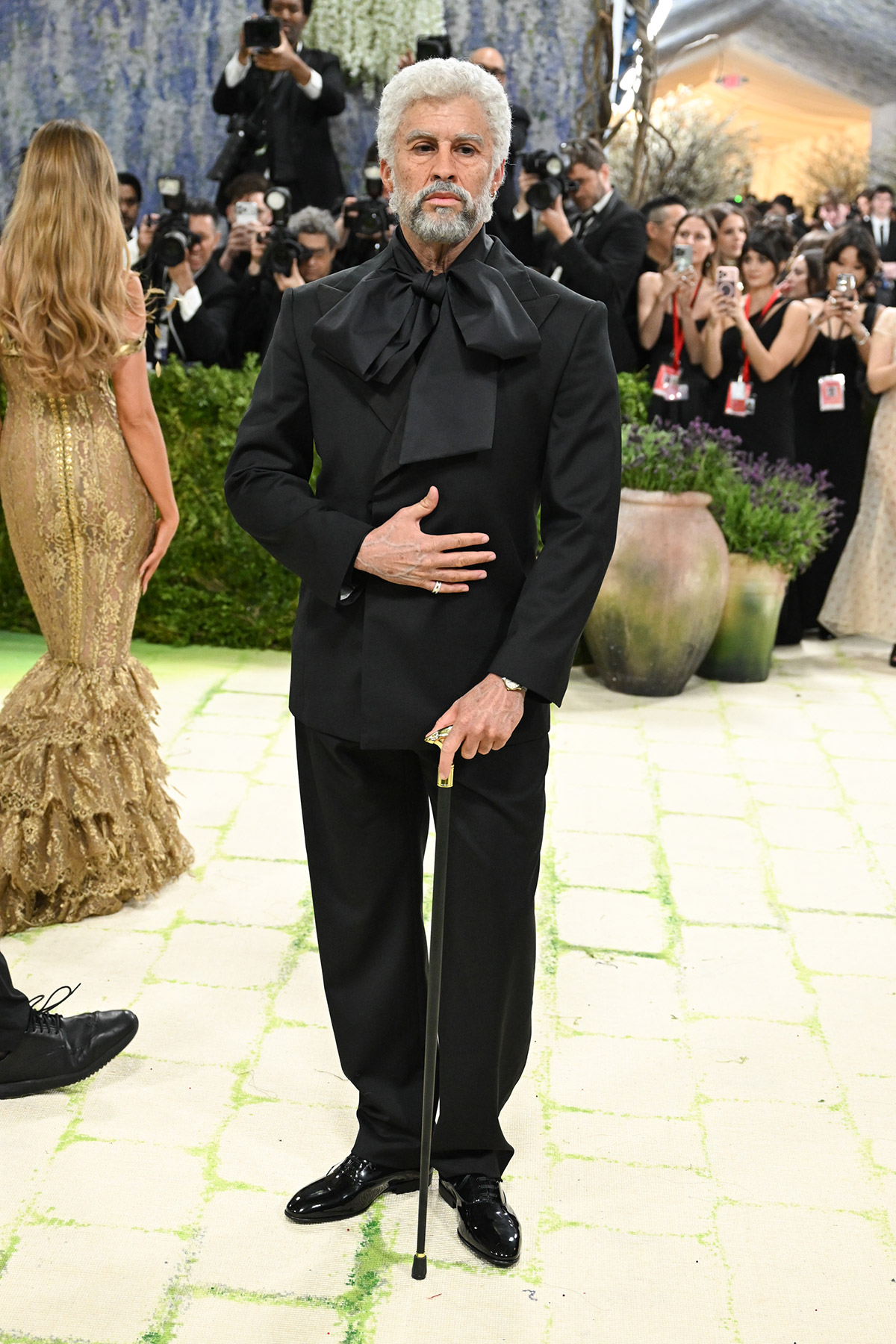
Image Courtesy: Billboard
The transformation was crafted with meticulous attention to detail, reflecting not just physical ageing but also the idea of time as a narrative element. By presenting himself as an elderly version of his future self, Bad Bunny turned the red carpet into a conceptual stage.
Fashion Meets Conceptual Storytelling
The look went beyond makeup. Bad Bunny paired the aged persona with a tailored black suit, designed in collaboration with Zara, that added a layer of understated elegance to the otherwise theatrical transformation. The ensemble referenced classic fashion silhouettes while incorporating subtle nods to art history, reinforcing the evening's theme.
The oversized bow detail, inspired by archival designs, further connected the look to the Costume Institute's exploration of fashion as art. This combination of prosthetics and tailoring created a cohesive visual statement that was both playful and thought-provoking. Bad Bunny's appearance also carried a deeper cultural message. In an industry that often prioritises youth and perfection, his decision to embrace ageing, albeit temporarily, stood in stark contrast to prevailing beauty standards.
Image Courtesy: Billboard
By exaggerating the signs of ageing, the look invited viewers to reconsider how society perceives age, particularly within the world of fashion and celebrity. It served as a reminder that style and creativity are not confined to youth but can evolve over time.
A Signature Approach to the Met Gala
This is not the first time Bad Bunny has used the Met Gala as a platform for self-expression. Over the years, his appearances have consistently challenged traditional notions of menswear, blending gender-fluid elements with cultural references.
His 2026 look continues this trajectory, reinforcing his reputation as an artist who treats fashion as an extension of identity and storytelling rather than mere aesthetics. In a night filled with elaborate couture and artistic interpretations, Bad Bunny's transformation stood out for its originality and conceptual depth.
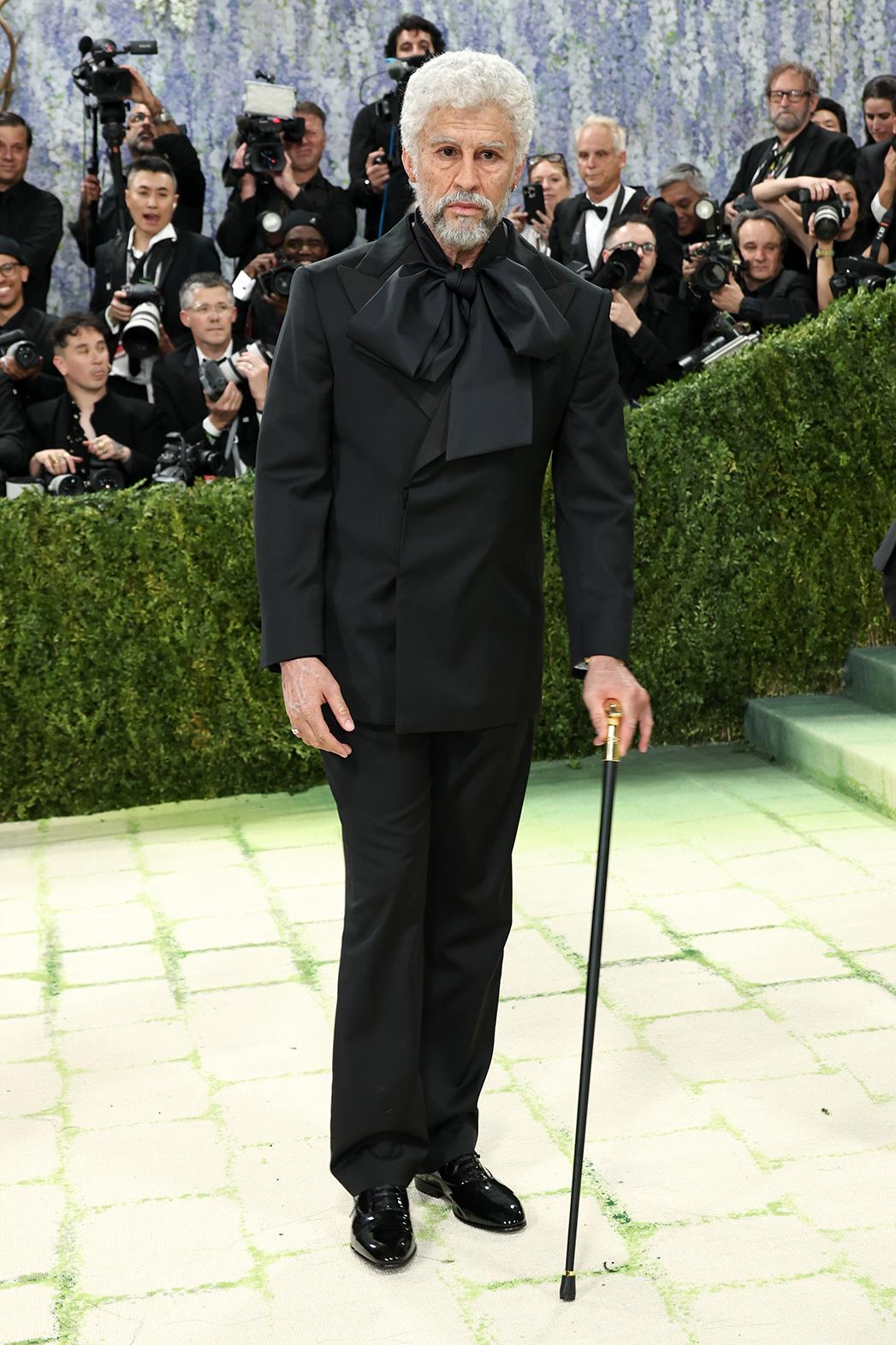
Image Courtesy: The Hollywood Reporter
Social media quickly buzzed with reactions, with many praising the look as one of the most creative of the evening. By embracing transformation and narrative, Bad Bunny did more than attend the Met Gala. He turned himself into a living artwork. In doing so, he once again demonstrated that fashion, at its most powerful, is not just about what you wear, but the story you choose to tell.