

The world of entertainment often prioritises engaging storytelling over strict adherence to scientific accuracy, a reality that becomes particularly evident in crime dramas like the popular series 'NCIS.' While audiences eagerly follow the twists and turns of investigative plots, forensic experts often find numerous inconsistencies and inaccuracies in the portrayal of criminological procedures.
Although these errors may go unnoticed by the general public, a closer examination reveals gaps that even less experienced viewers can identify.
Also Read: Francis Ford Coppola’s ‘Twixt’: Exploring Late Style, Grief and Gothic Minimalism
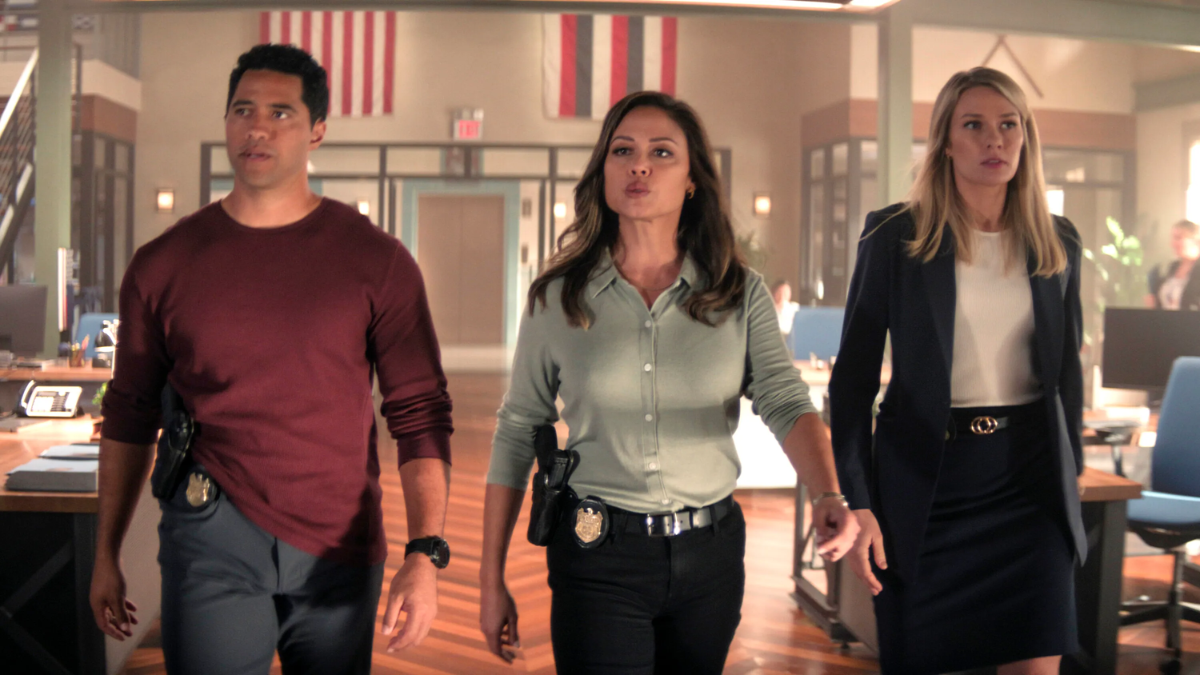
A recent analysis focused on the American TV series ‘NCIS’ delved into the scientific inaccuracies prevalent in the depiction of forensic medical examinations at crime scenes. These examinations, crucial in real-life investigations, require meticulous adherence to protocols and guidelines, considering various factors such as case context, types of trace materials, and the interconnected nature of the investigative process.
However, the production team behind 'NCIS' sometimes overlooks these details, either unintentionally due to lack of expertise or intentionally for narrative simplification and audience appeal.

One glaring mistake highlighted in the analysis is the disregard for proper employee uniforms during forensic medical examinations. Crime scene analysts and investigators depicted on screen often fail to wear personal protective equipment, a standard practice essential for preserving the integrity of evidence and preventing contamination.
Forensic experts like Matthew Steiner have pointed out this discrepancy, emphasising the risk of leaving DNA traces on crucial evidence. Such oversights not only undermine the credibility of the investigative process but also disrupt the overall realism of the narrative.

The evaluation of forensic material extends beyond its physical properties to include the manner in which it is handled and processed. Non-compliance with established protocols not only leads to scientific inaccuracies but also compromises the narrative coherence of the series. However, instances where characters acknowledge their shortcomings or incompetence can somewhat mitigate these errors, offering a narrative justification that softens the impact of the inaccuracies on audience immersion.
Ultimately, the tension between entertainment value and scientific precision remains a challenge for productions like ‘NCIS’, where balancing engaging storytelling with an accurate portrayal of forensic procedures is a delicate endeavour. While certain liberties may be taken for dramatic effect, maintaining a semblance of authenticity is crucial to upholding the credibility and integrity of crime dramas within the entertainment landscape.
-Sushmita Sarkar