
Spotify and Universal Music Group have officially entered a groundbreaking new partnership that could reshape the future of music creation and fan interaction. The historic deal, which was announced on 21st May, brings licensed AI-generated cover songs and remixes to Spotify’s platform, enabling fans to use AI to artistically reimagine music while maintaining the rights and rewards of artists.
The agreement is already being hailed as one of the most significant advancements in the current streaming era, particularly as the music industry continues to strike a balance between the rapid advancement of AI and growing concerns over ownership, copyright, and artist consent.
How Spotify and Universal Became Industry Giants
Spotify and Universal Music Group have grown to be two of the most significant players in the global music industry over the past ten years. Spotify, which launched in 2008, transformed music streaming into the dominant way people consume music worldwide.
The firm is purportedly one of the biggest streaming platforms in history, with over 650 million monthly active users worldwide, including hundreds of millions of paid members. In the meantime, Universal Music Group continues to be the largest music label in the world, representing some of the biggest names in pop, hip-hop, rock, Latin, and country music.
Due to the continuous dominance of streaming revenue in the entertainment sector, both companies have experienced significant financial and cultural growth in recent years. But the development of artificial intelligence also brought with it new difficulties. However, the rise of artificial intelligence also created new challenges.
AI-generated songs using celebrity voices began spreading online without permission, raising concerns among artists and labels about deepfakes, unauthorized music cloning, and loss of creative control. Spotify and Universal have now decided to formally regulate and monetize the technology through a licensed framework rather than outright oppose it.
What Is the New AI Cover Songs Feature?
According to reports, the new collaboration will enable Spotify users to access authorized artist voices and music collections under a licensed framework to produce fan-made AI covers, alternate versions, mashups, and remixes. Sources suggest, users would be free to experiment freely while guaranteeing that original songwriters, artists, and rights holders are compensated anytime their work or AI voice models are used. The companies emphasized that the system would only function with artist approval and strict safeguards.
Universal Music Group CEO Lucian Grainge described the agreement as "a major step toward responsibly embracing the creative potential of AI while protecting the value of artistry." Spotify executives also stated that fans increasingly want interactive and personalized music experiences, especially younger listeners who actively participate in remix culture online. Rather than banning fan-made AI creations entirely, the platform aims to create a safer and more transparent ecosystem for them.
Based on reports, the features might first appear in beta form later this year, with a limited number of artists and geographical areas taking part before a more extensive worldwide deployment. In order to let fans know when songs have been digitally altered or recreated, the companies are also required to clearly label AI-generated content. Spotify has also reportedly reserved the right to remove content that fails to meet ethical or legal standards.
Spotify's "Reserved" Feature and Its Bigger AI Expansion Plans
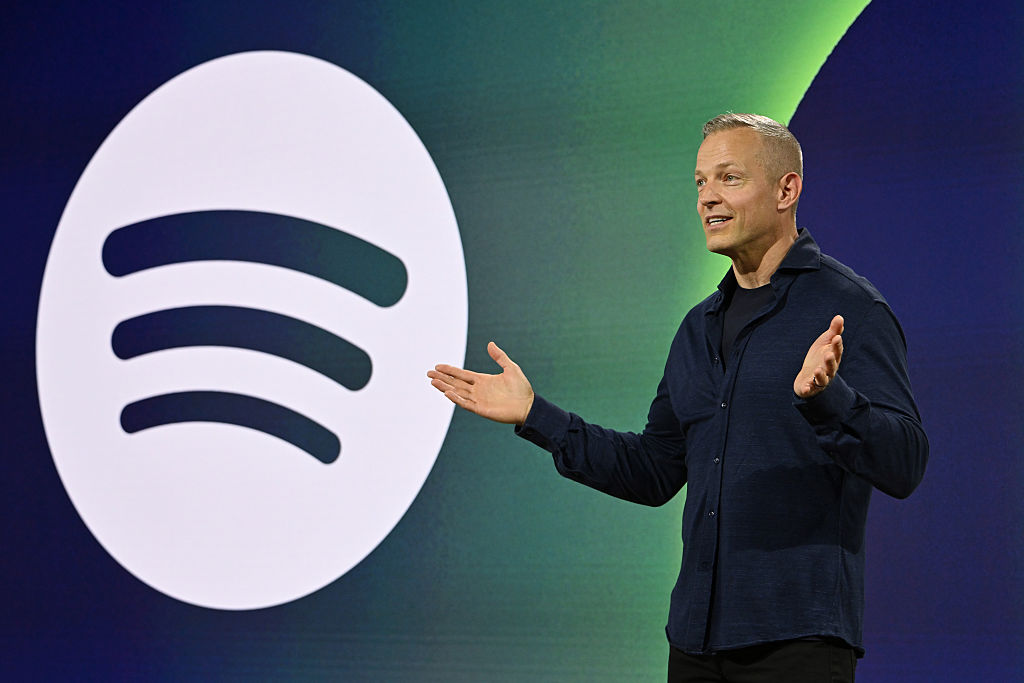
In addition to the historic AI music deal with Universal Music Group, Spotify launched a brand-new feature called "Spotify Reserved," which became a hot topic of discussion during the company's investor presentation on 21st May. The purpose of the function is to provide early access to concert tickets for Spotify Premium members before they are made available to the general public. According to sources, Spotify will identify "superfans" based on their involvement with artists and streaming activities, enabling devoted listeners to get tickets ahead of regular sales.
The company reportedly sees "Reserved" as part of a larger push toward fan-focused personalization and exclusive experiences According to Spotify management, the site aims to build direct relationships between artists and followers while also rewarding devoted listeners. However, the function would initially launch in the US later this year before spreading to other parts of the world. The launch of "Reserved" also reflects Spotify's broader strategy to expand beyond traditional music streaming.
Why This Deal Could Change the Music Industry
Because it is one of the first extensive license arrangements created especially for generative AI music, the Spotify-Universal agreement is seen as a significant turning point. For years, the entertainment industry struggled to decide whether AI should be treated as a threat or an opportunity. But however, this agreement implies, that instead of outright resistance, big music businesses are now shifting toward controlled collaboration.
Additionally, the collaboration may create completely new avenues for fan interaction, enabling listeners to engage with music in ways that were previously unattainable. In the future, fans might be able to experiment with remixing famous songs using AI techniques right within streaming platforms, hear songs in different styles, or create alternate-language versions. At the same time, critics continue to raise questions about artistic authenticity and how much AI should influence creative industries moving forward.
For Spotify and Universal Music Group, though, this landmark agreement signals a clear message: the future of music may be increasingly interactive, AI-assisted, and fan-driven.
Also Read: Miley Cyrus Honoured with 'Hollywood Walk of Fame Star' After Two Decades of Stardom