
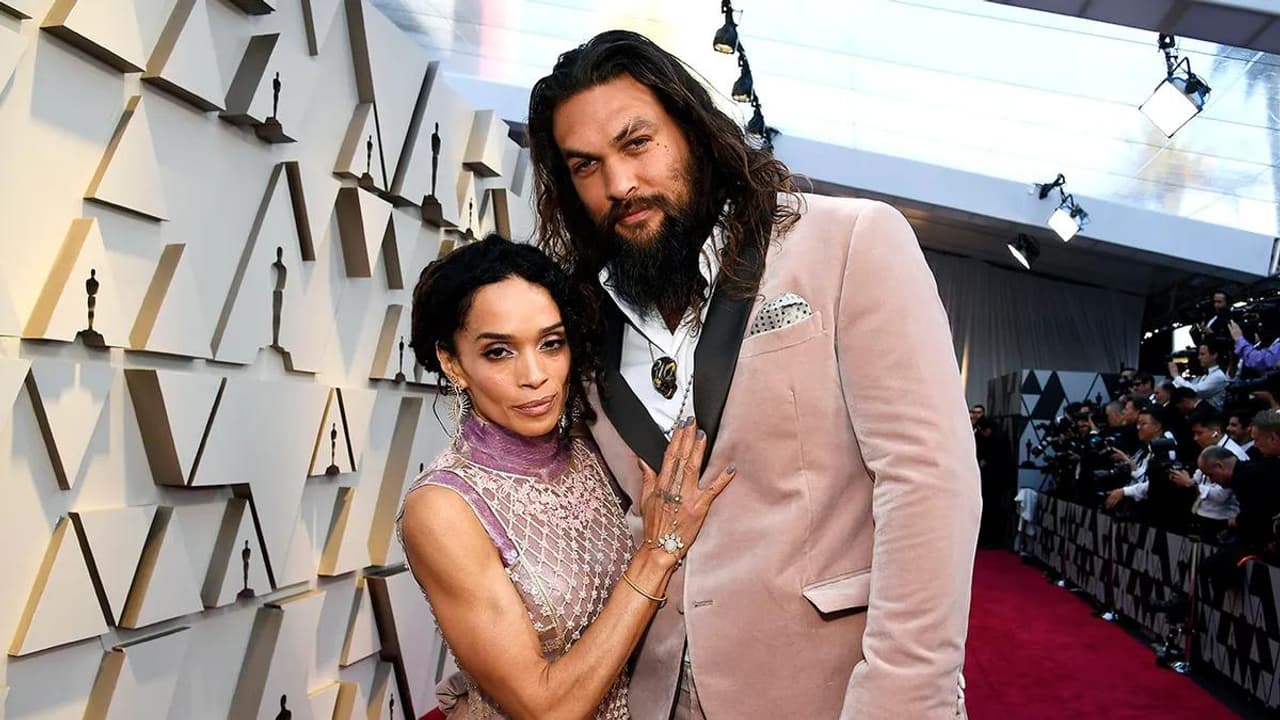
Lisa Bonet has officially initiated the process of divorcing Jason Momoa after 18 years together. The 56-year-old, also known as ‘Lilakoi Moon’, filed divorce papers in Los Angeles County court on 8th January, nearly two years following their public announcement of separation.
Citing irreconcilable differences as the cause, the legal documents specify that neither party is seeking financial support, and they have mutually agreed on how to divide their assets. The couple has proposed joint custody for their 16-year-old daughter and 15-year-old son.

Jason Momoa, renowned for his roles in 'Aquaman' and 'Game of Thrones,' and Lisa Bonet, known for her contributions to 'The Cosby Show,' 'A Different World,' 'High Fidelity,' and 'Enemy of the State,' began dating in 2005. However, they formalized their union in 2017.
According to the divorce documents, their official separation date is listed as October 2020, more than a year before they publicly disclosed their split. The legal process is expected to take a minimum of six months before a judge finalizes their divorce.
This marks the first marriage for Momoa and the second for Bonet, who was previously married to musician Lenny Kravitz, with whom she shares another daughter, actor Zoe Kravitz.
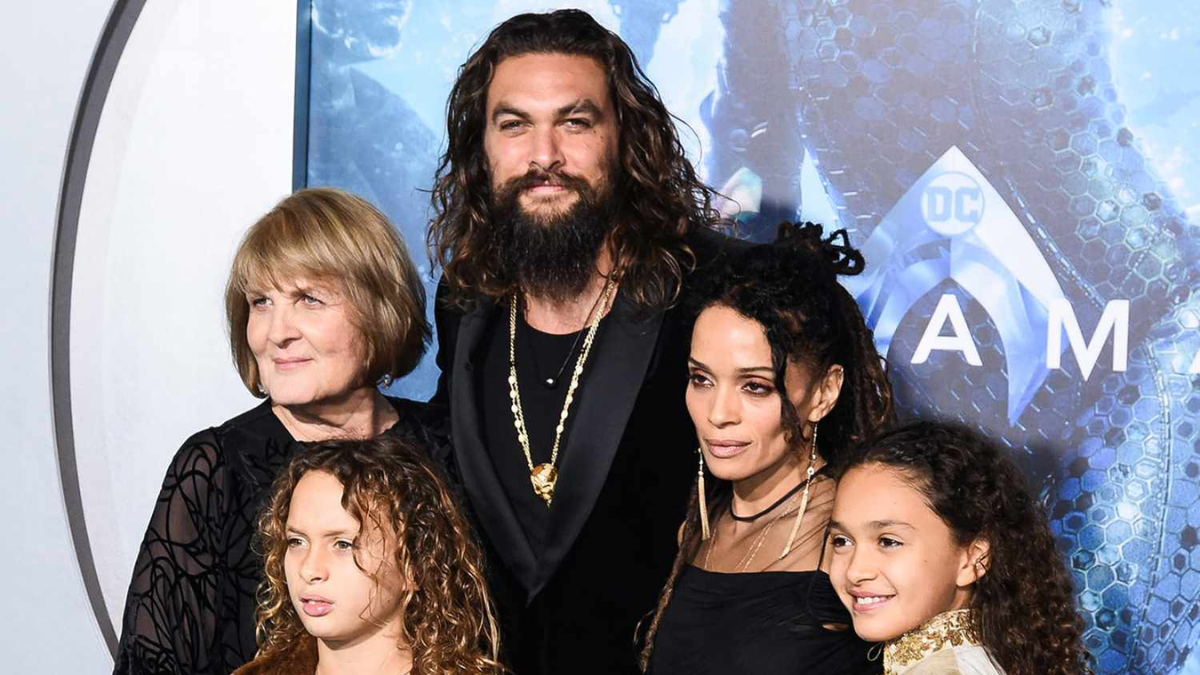
Two years ago, when Bonet and Momoa announced their separation, they conveyed that they had all experienced the challenges and changes of the transformative times. They mentioned that a revolution was unfolding, and their family was not exempt from feeling and adapting to the seismic shifts.
Also Read: Here’s What Critics Think About The ‘Aquaman’ Sequel
They went on to share the family news that they were parting ways in marriage. It was clarified that they were sharing this update not because they considered it newsworthy but to navigate their lives with dignity and honesty.

They expressed that despite the separation, the love between them continued to evolve in ways that sought expression and experience. They emphasized the freedom to be themselves and learn who they were becoming.
Their unwavering devotion was directed towards their children and the sacred life they shared. They highlighted the importance of teaching their children about possibilities, and living by prayer, and concluded with the wish for love to prevail.
– Farheen Ali