
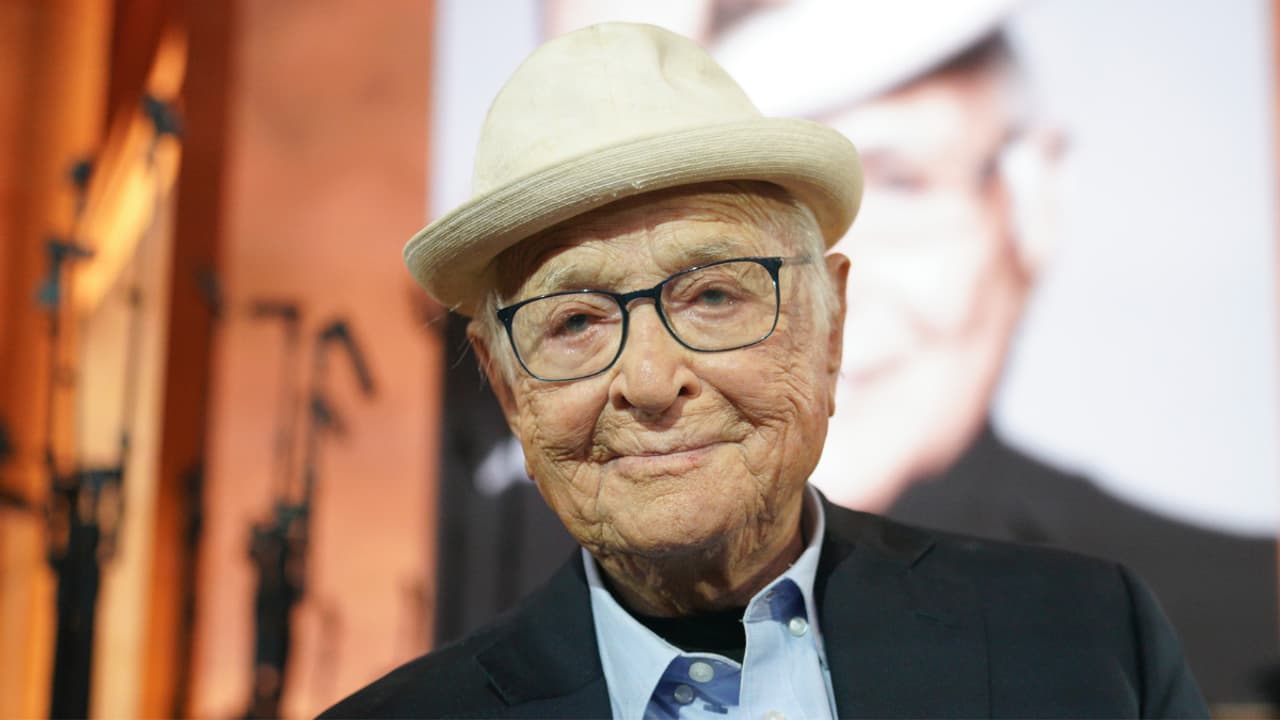
Jimmie Walker, renowned for his role in ‘Good Times’, fondly recalls the significant impact of the late Norman Lear and the dynamic of their collaborative efforts.
Reflecting on Lear's remarkable achievements, Walker, 76, shares, "He had 11 hit shows on the air at one time, which is, I hate to say it's impossible because somebody did it, but I don't think you'll see that from [anyone else]."

The producer, who passed away at the age of 101 on 5th December, was known for his extensive contributions to television. Despite Lear's strong liberal stance, Walker emphasizes, "And even though Norman Lear was the extreme unbelievable liberal — he made Al Sharpton look like Donald Trump — he always expressed both sides."
Jimmie Walker and Norman Lear’s Collaboration
Their collaboration took place on the sitcom ‘Good Times’ (1974-1979), a series depicting a Black family in the Chicago projects. Lear served as the producer, while Walker portrayed J.J. Evans, an aspiring artist who emerged as the breakout character of the show.
Also Read: Julia Roberts Reveals The Reason Why She Loves Taylor Swift’s ‘Betty’
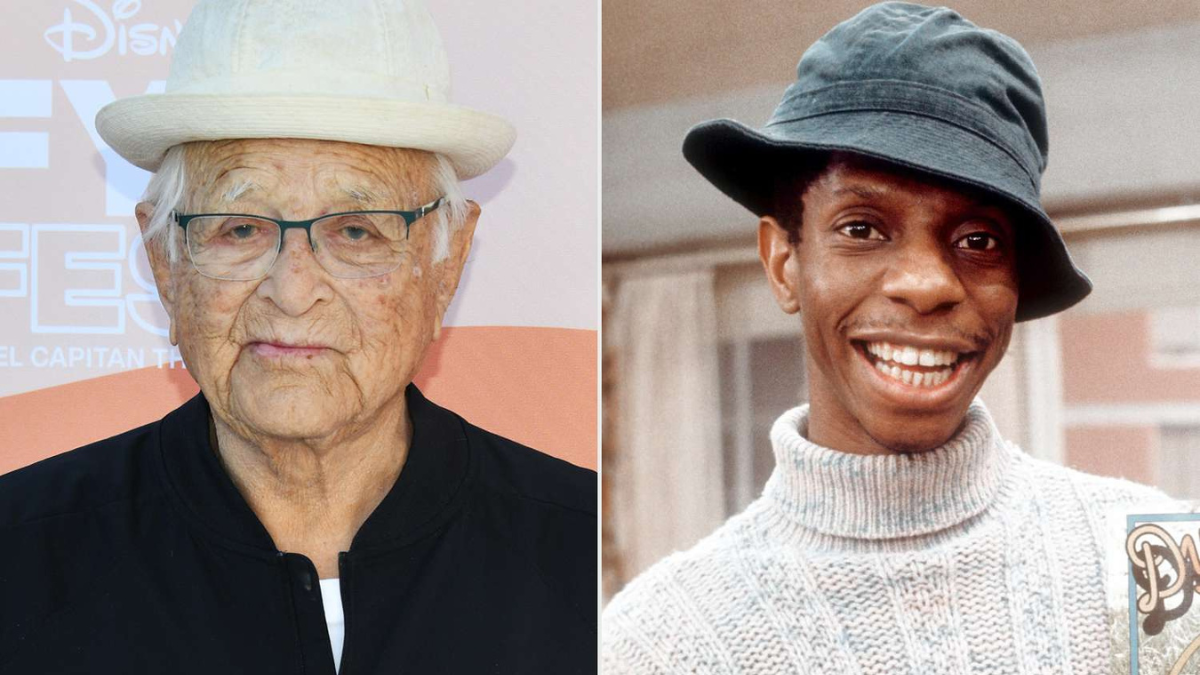
Despite eventually developing a profound respect for Lear, Walker and Lear's relationship didn't start with immediate camaraderie.
Walker recalls their first meeting in Los Angeles during a table read for the show's pilot episode. He was actively seeking jokes and humour, unaware of Lear's identity. Walker candidly expressed dissatisfaction with the material, stating, "Boy, who wrote this? This sucks, man." Lear, known for addressing serious issues through comedy on shows like ‘All in the Family’ and ‘Maude’, received Walker's critique sternly. As a stand-up comedian prioritizing punchlines, Walker sought a different comedic approach.
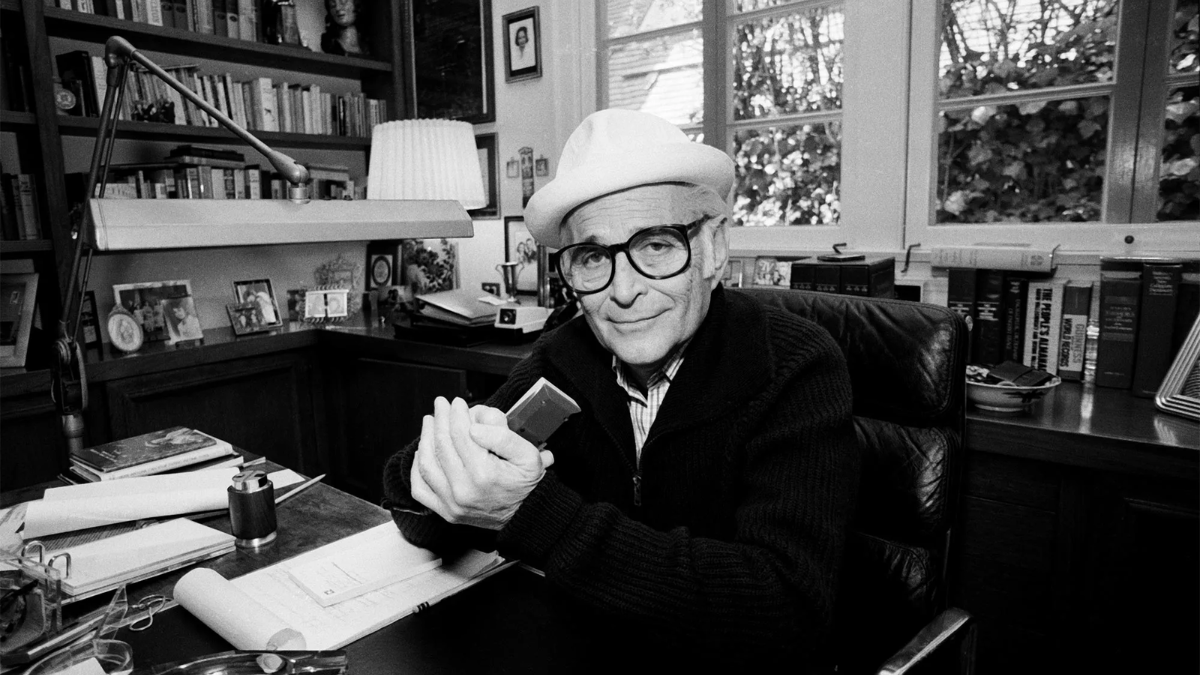
Creative differences emerged due to Walker's jokey style conflicting with Lear's preference for a more serious tone. Despite Walker occasionally sneaking inside jokes, Lear, who had experience writing for Dean Martin and Jerry Lewis, remained unaware of these insertions. While their creative styles were at odds, Walker acknowledges that they got along as people, even if they were creatively opposed.
–Farheen Ali