
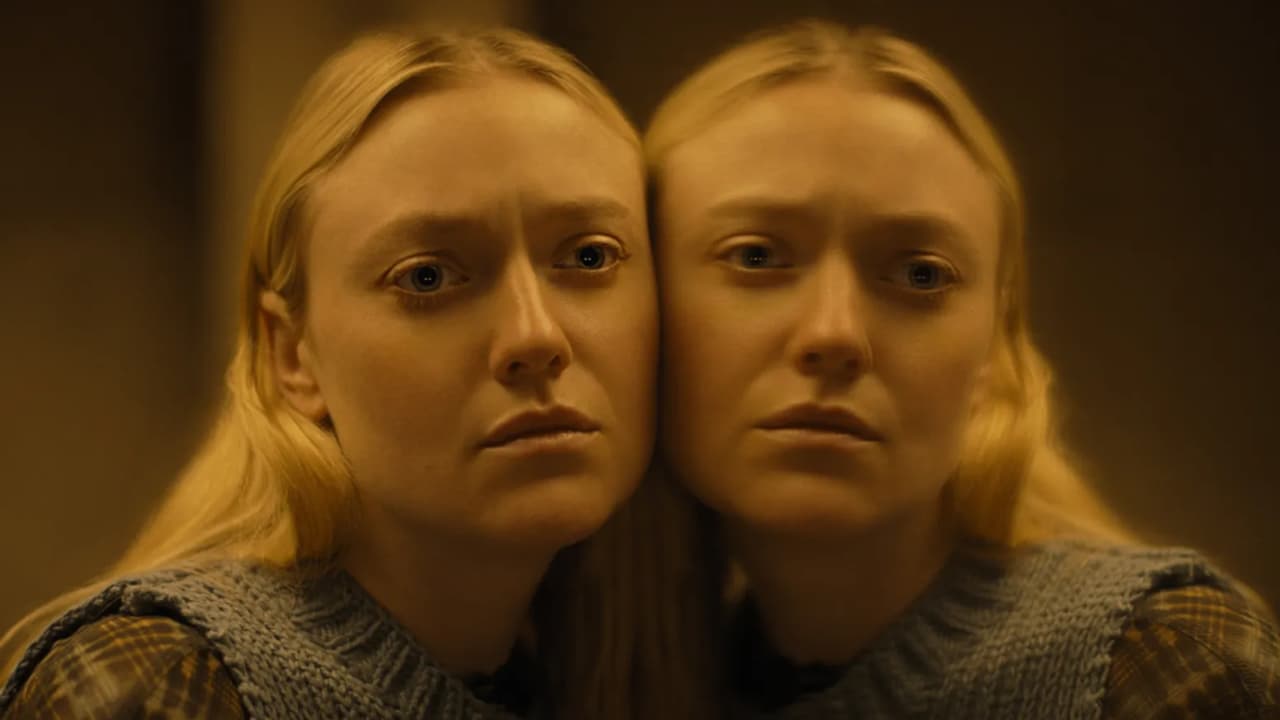
In the realm of artistic expression, defining one's identity and showcasing a unique perspective and style is a formidable task. Dakota Fanning's character, Mina, embodies this struggle in ‘The Watchers’, finding herself adrift both literally, as her car breaks down in Ireland's ancient woods, and figuratively, lost in the labyrinth of self-discovery.
Adapted from A.M. Shine's novel, the film delves into the enigmatic world of ‘the Watchers’, entities whose presence holds a deeper significance beyond mere horror tropes. The essence of ‘The Watchers’ extends far beyond its surface narrative, challenging viewers to delve into themes like colonialism, miscegenation, and appropriation.
Also Read: ‘X’: The New Horror Film That Has Watchers Terrified
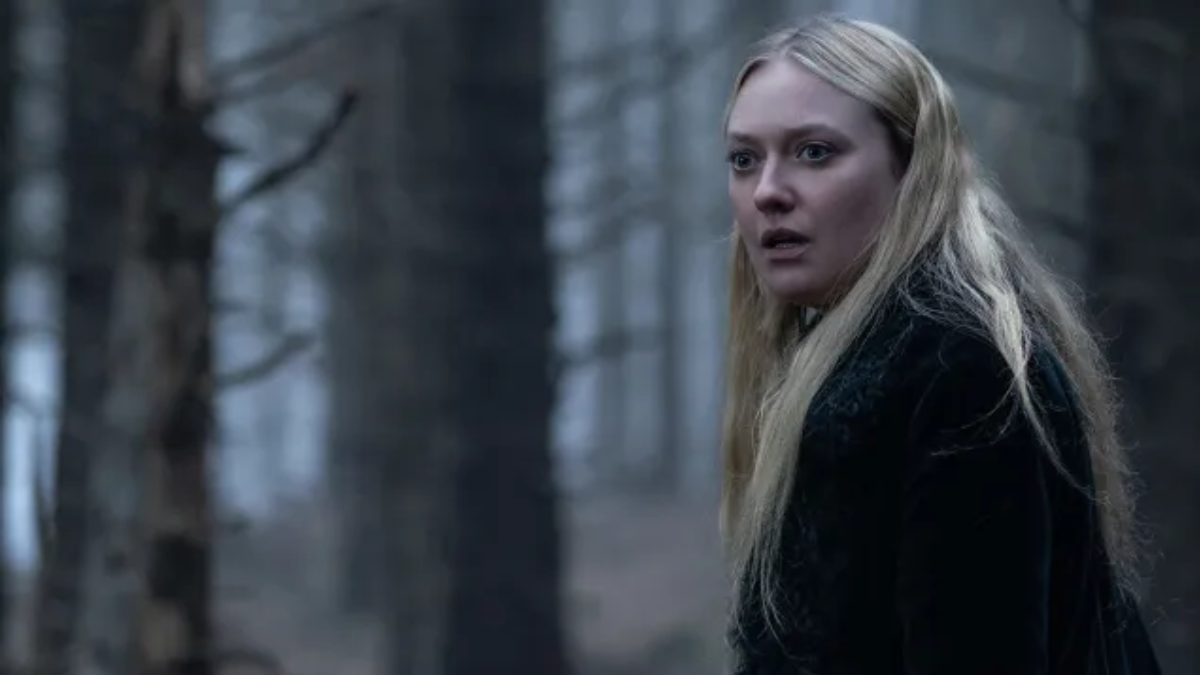
These thematic layers resonate profoundly, particularly for marginalised communities like Black individuals, who find echoes of historical invasion, assimilation, and cultural theft within the film's tapestry.
Drawing parallels to India's colonial past and the subsequent diaspora, 'The Watchers' becomes a mirror reflecting the complex dance between imitation and originality, highlighting the insidious nature of cultural theft under the guise of scholarly exploration.

Central to Mina's journey is her struggle with identity and the spectre of the Changeling, a metaphorical embodiment of cultural appropriation and academic greed. As Mina confronts the threat of being replaced and her own inner turmoil as a "bad twin," the narrative unveils layers of fear, greed, and the longing for authenticity amidst a world of mimicry and imitation.
Ultimately, Mina's path to liberation lies in embracing her heritage, confronting the Changeling's deception, and forging a connection with her familial roots—a journey that transcends the boundaries of time and space within ‘The Watchers' haunting narrative landscape.
-Sushmita Sarkar