

Hollywood biopics, a genre that often sounds as clinical as a dental tool, is currently experiencing a remarkable surge in popularity. Christopher Nolan's ‘Oppenheimer,’ an expansive three-hour exploration of the man behind the atomic bomb, demonstrated that a biographical film could be as vast and dazzling as the cosmos, earning Nolan unprecedented praise.
Sofia Coppola's ‘Priscilla’ has also garnered both audience and critical acclaim by delving into the life of Priscilla Presley, offering a unique glimpse into the world of pop-music fame. Bradley Cooper's ‘Maestro’ unfolds the passionate narrative of Leonard Bernstein and Felicia Montealegre, delving into themes of love, sexuality, bigotry, creativity and the enigma of marriage. Looking ahead, Michael Mann's upcoming ‘Ferrari’ promises a cinematic experience that blends the essence of ‘Grand Prix’ with the intensity of ‘The Godfather.’

These movies are all vying for prestigious awards, each captivating the audience in its unique way. Collectively, they mark the triumphant resurgence of a genre that, although it never disappeared, is now experiencing a new pinnacle of influence.
However, one might wonder: Why the sudden prominence of biopics and why at this moment?
It's important to acknowledge that the biopic was once considered a somewhat cheesy and second-rate form. In the era of the studio system, Hollywood produced films like ‘Freud’ with Montgomery Clift portraying the father of psychoanalysis, ‘Lust for Life’ featuring Kirk Douglas as Vincent van Gogh and ‘Man of a Thousand Faces’ starring James Cagney as Lon Chaney, the biopic carried inherent melodramatic kitsch. This factor led to a period when it became associated with mediocre TV movies.
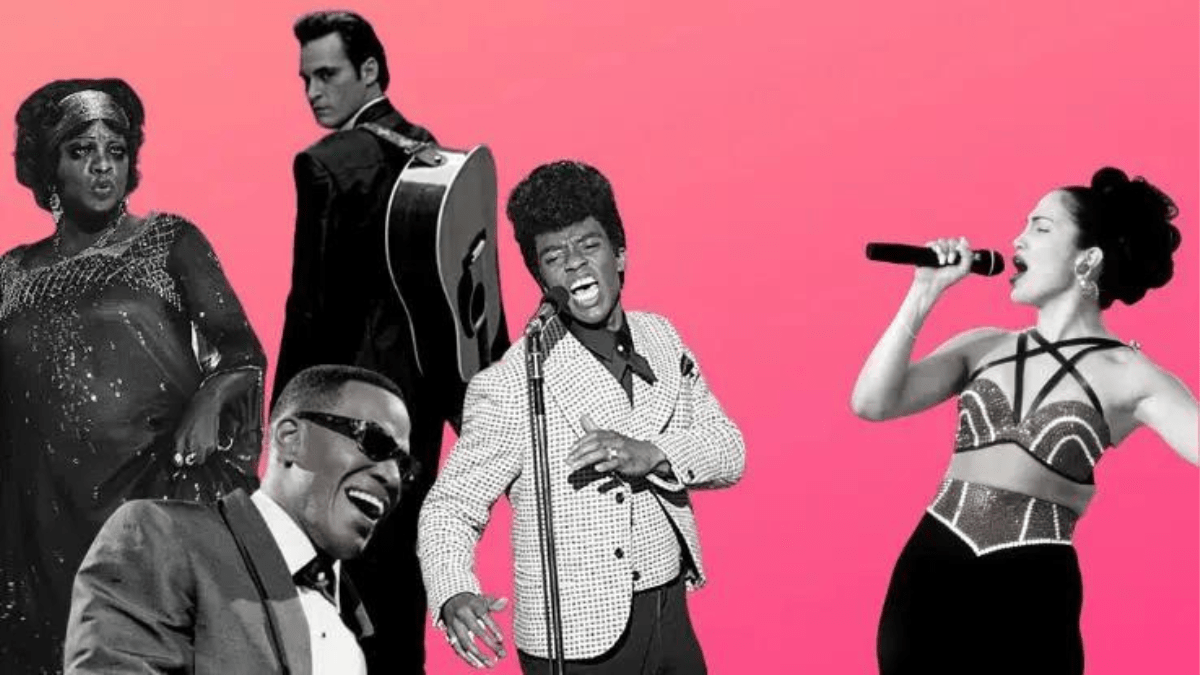
The attempt to encapsulate a renowned life within a two-hour timeframe, interweaving high and low points with operatic flair, often resulted in a glossy Hollywood gloss-over. This was further compounded by the tendency to sanitize the darker aspects of these characters.
Movies eventually became more flexible, and there were a handful of respectable biopics in the '70s and '80s, such as ‘Coal Miner's Daughter,’ ‘Gandhi’ and ‘Sweet Dreams.’ However, the true liberation of the biopic came in the mid-2000s, marked by a revolution driven by two intertwined trends.

In 2004, the vibrant and impassioned ‘Ray’ and the daring and brilliant ‘Kinsey’ definitively established that biopics reached their peak when they exposed the flaws of their heroes, offering an unfiltered portrayal of their lives. Then, in 2005, ‘Capote’ embraced a simple yet ingenious approach: the most effective way to narrate someone's life wasn't to cover their entire life story.
Instead, it was to focus on a specific chapter, an episode, a crucial aspect of that life.
Liberated from the burden of encyclopedic chronology, filmmakers could delve into the details and psychological nuances with the close-up attention they deserved.
-Farheen Ali